|
back home العودة للصفحة الرئيسية

Christopher Nolan's The Odyssey

To be completely honest, I wasn't Nolan's biggest fan going into this, so take that however you want. I loved *Interstellar*, but I haven't really connected with his more recent movies. Maybe *Interstellar* was his peak... haha, just kidding. Kind of. I **hated** *Oppenheimer*. I know a lot of people loved it, but to me it felt like an overly dramatized pity party for someone who played such a significant role in nuclear warfare. I understand the argument that we should humanize historical figures, but I don't think that automatically makes them deserving of sympathy. I left the movie feeling like it wanted me to empathize with Oppenheimer more than it wanted me to grapple with the consequences of what he helped create. Going into *The Odyssey*, I was honestly hoping I'd feel differently. The movie kept my attention for all three hours. I was never bored, and there were some genuinely beautiful moments. But I walked away feeling like it missed what makes *The Odyssey* so compelling in the first place. It felt very action heavy and really focused on Odysseus's guilt and PTSD after the war. I don't know if I'd even call it anti-war. It felt more like, *war is terrible because sometimes heroes feel bad afterward*. Those are two very different ideas. The women were probably my biggest disappointment. One of the reasons I love greek mythology is because the women are so interesting. I have written about this topic on here before. The Odyssey is a big part of it. Circe, Calypso, Penelope, Nausicaa they all challenge Odysseus in different ways. They're intelligent, manipulative, patient, powerful, compassionate. They all have agency. Somehow, the movie flattened almost all of them. Calypso was especially underwhelming. I kept waiting for her to become... more. More persuasive, more unsettling, more lonely.. anything. Instead, she just kind of existed. It honestly surprised me how much complexity was stripped away from characters that already had so much to work with. It also felt like every female character existed primarily as a reflection of Odysseus. Their purpose was to reveal something about him rather than exist as fully realized people themselves. Considering how rich the source material is, that felt like such a missed opportunity. The other thing that bothered me was Odysseus himself. Everyone keeps telling us how clever he is, how he's the greatest strategist, how no one can outsmart him. But we rarely get to actually **see** it. One of my biggest pet peeves in movies is when characters constantly tell you someone is intelligent instead of letting their actions prove it. The Odyssey is full of tricks, deception, improvisation, and impossible situations that Odysseus talks his way out of. That's what makes him interesting. He's not the strongest warrior, he's the smartest one. I wanted to watch him outthink people. Instead, I felt like the movie kept insisting he was brilliant without giving him enough opportunities to show it. It was a lot of *tell, tell, tell* and not enough *show*. I still think it's worth watching. It held my attention the entire time, and visually it was stunning. But I think I'm getting a little fatigued by adaptations that seem afraid to fully commit to the thing they're adapting. I wish more directors would either stay faithful to what made the original story resonate for thousands of years or give themselves permission to write something entirely new. I think I'd respect a completely original story inspired by *The Odyssey* more than an adaptation that borrows the names and plot but leaves behind what made me love the poem in the first place.

My Fish

I spend most of my day watching them. I love them so much. Honestly, it’s all I’ve ever wanted. I didn’t expect a fish tank to become this central to my life, but it has. My freshwater tank, with six mollies (four tiny babies) and six red cherry shrimp, has turned into something I orbit around. I check on them constantly. I count them. I sit and watch them swim, hide, clean, exist. Time disappears when I’m in front of the glass. There’s something incredibly comforting about having this small, living world right next to me. The plants grow slowly, the shrimp move with intention, and the baby mollies dart around like they’re discovering life for the first time. Watching them makes everything else feel quieter, simpler, more manageable. And this tank is just the beginning. My dream is to have a much bigger saltwater tank someday. Coral, reef fish, an entire ocean ecosystem scaled down into glass. I think about it all the time what it would look like, how I’d care for it, how much patience and learning it would take. It feels less like a hobby and more like a future version of myself I’m slowly growing into. For now, I’m happy here, watching my fish and shrimp live their tiny lives. But one day, I’ll have a piece of the ocean in my home too. And I already know I’ll love it just as deeply.

Blank Street Coffee

There’s something oddly fascinating about Blank Street Coffee. On the surface, it’s just another minimalist café with oat milk, clean branding, and locations everywhere. But once you look a little closer, it becomes clear that Blank Street isn’t really a coffee company at all. It’s a tech startup wearing a café costume. Blank Street was founded by tech and finance guys, and you can feel that in how the business operates. Everything about it is optimized. The stores are small, uniform, and designed for speed. The espresso machines are mostly automated, which means fewer highly trained baristas and more consistency from cup to cup. This isn’t about craft or artistry — it’s about efficiency. Coffee is just the vehicle. They run the business the same way a startup runs software. Reduce friction. Cut costs. Standardize everything. Once the model works, scale fast. Each new location feels like a copy-paste of the last, dropped into another high-traffic urban corner. No local flair, no personality, no sense of place — and that’s the point. Local character doesn’t scale well. What’s interesting is how perfectly this fits into late-stage capitalist logic. Blank Street doesn’t ask you to linger or build community. It wants you in, caffeinated, and out. It’s built for people who live in productivity mode — commuters, students, professionals — people who want their coffee to function more like a utility than an experience. Reliable, fast, predictable. And honestly, it works. That’s the uncomfortable part. The company expanded insanely quickly, something traditional coffee shops could never do without sacrificing margins or burning out staff. By automating labor and centralizing decision-making, Blank Street unlocked the kind of growth investors love. It’s capitalism doing what capitalism does best: turning culture into a system and scaling it.

Maps!!!

cartography is an art. Not in a dramatic way, and not in a “maps are beautiful therefore art” way. I just think there’s something deeply intentional about it. Every line, every curve, every decision had to be made by someone. Nothing on a map is accidental. I really like imagining how people went about designing roads—how they decided where things should go so they’d be convenient, efficient, and actually make sense. How much forethought it takes to plan something that people will rely on every day. And not just for now, but for the future too. Someone had to think: *What happens if this city grows? What if traffic increases? What if this area changes?* That kind of thinking really interests me. I like maps because they sit right between science and art. There’s data, measurements, logic, and precision—but there’s also design. Choices about what to include, what to leave out, how to show information without overwhelming the person looking at it. A map has to work, but it also has to communicate. That balance feels creative to me. I don’t love maps because they’re aesthetic (though sometimes they are). I love them because they show how people think. How they organize space. How they imagine movement, borders, connection. Roads especially feel personal—designed to fit just right, to guide people where they need to go, quietly shaping how we live without us noticing. I don’t have a bigger point than that. I just really love maps.

Sylvia Plath's Fig Tree

I think about Sylvia Plath’s fig tree more often than I probably should. She describes it in *The Bell Jar*: a fig tree with branches stretching out, each fig representing a different possible life. One fig is love, another is success, another is adventure, another is family, another is writing, another is something unnamed but deeply felt. She sits beneath the tree, unable to choose, and as she waits, the figs begin to wrinkle, rot, and fall. Not because she didn’t want them—but because she couldn’t decide. That image gets under my skin every time. What scares me about the fig tree isn’t the idea of wanting too much. It’s the idea of freezing. Of thinking that choosing one thing means losing everything else, so you choose nothing instead. And the world doesn’t wait for you to feel ready. The figs rot anyway. I don’t read that passage as ambition gone wrong. I read it as fear dressed up as possibility. Fear of choosing incorrectly. Fear of closing doors. Fear of committing to one version of yourself when so many others feel just as real. I recognize myself in that feeling more than I’d like to admit. Part of it comes from how split I’ve always felt between loving science and loving the arts—wanting structure and logic, but also imagination, beauty, and expression. I like too many things. I want too many lives. I want to conduct research. I want to knit and travel and write and bake and learn and love and keep changing. I want to knit and travel and write and bake and learn and love and keep changing. I don’t want to be boxed into a single story about who I am. Sometimes it feels safer to stay undecided, to hover in the space of potential rather than action. But the fig tree doesn’t let you stay there forever. That’s the part I keep coming back to. Not as a warning, exactly, but as a reminder. That doing nothing is still a choice. That indecision has consequences even when it feels passive. That time will move whether I move with it or not. I’m determined not to let my figs rot. That doesn’t mean I think I can have everything all at once, or that every choice will be the right one. It just means I don’t want fear to be the reason I don’t choose. I don’t want to look back and realize I spent too long sitting under the tree, convincing myself I was thinking deeply when really I was just stalling. Sylvia Plath’s fig tree feels tragic because it captures that exact moment—the pause before life demands an answer. I don’t want to live in that pause forever. I want to reach up, grab something imperfect, and live with the mess of choosing. Even if it means some figs fall. Especially if it means I was brave enough to pick one.

Building Boston

Boston

I think one of the reasons I like Boston so much is that it feels layered. Not just old, but built-on-top-of-itself old. The city doesn’t just have history, it’s physically made out of it. Once I started learning how Boston was actually constructed, I couldn’t stop thinking about what’s underneath my feet when I walk around. Back Bay is what really pulled me in. It looks so intentional now: wide streets, brownstones, everything neat and planned. But it wasn’t land to begin with. It used to be tidal flats connected to the Charles River, flooding twice a day. By the mid-1800s, it had basically turned into an open sewer—stagnant, smelly, and considered a public health disaster. That’s the real reason the city decided to fill it in. Not aesthetics. Survival. Starting in the 1850s, Boston began one of the most ambitious land-making projects in the country. Gravel was hauled in by rail from places like Needham—entire rail lines existed just to move dirt. At its peak, thousands of carloads of fill were dumped into the marshes every day. The shoreline moved. The map changed. Neighborhoods we now treat as permanent were literally manufactured over decades. And the people doing most of that work were Irish immigrants. This part matters to me. The labor that built Back Bay, the foundation of one of Boston’s wealthiest neighborhoods, was largely done by Irish workers who were newly arrived, poor, and desperate for work. They were the ones hauling gravel, laying fill, doing the physically brutal labor that made the land possible. At the same time, they were facing intense prejudice. Boston in the mid-19th century was deeply Protestant, and Irish Catholics were seen as outsiders: uneducated, dangerous, disposable. This wasn’t subtle prejudice. There were “No Irish Need Apply” signs. There were riots fueled by anti-Catholic fear. Irish neighborhoods were overcrowded, underfunded, and blamed for problems they didn’t create. And yet, while Back Bay was intentionally designed to keep wealthy Protestant families in the city, the people who built it were largely excluded from ever living there. That contrast is hard to ignore. I think about this a lot when I look at the scale models of Boston’s historical shoreline in my favorite hotel lobby downtown. I know it’s a little weird to have a favorite hotel lobby, but I love standing there and watching the waterlines creep inward over time. Whole parts of the city just appear. It makes Boston feel less solid and more like something that’s still settling. Then there’s the T. Digging underground in Boston wasn’t just an engineering challenge—it was a cultural one. Early Boston was deeply religious, and there was real fear around disturbing the earth. Digging wasn’t neutral. People worried about violating burial grounds, disturbing the dead, and even—quietly—about what it meant to dig too deep, morally and spiritually. When the city finally began building underground transit in the late 1800s, they used cut-and-cover methods: digging trenches from the surface, building tunnels, and then covering them back up. And almost immediately, they started uncovering bodies. Parts of the Tremont Street subway ran directly through old burial grounds near Boston Common and downtown. Workers found bones, coffins, entire tombs—remains from colonial times and the Revolutionary War. There wasn’t mass hysteria, but there *was* discomfort. People gathered to watch. Newspapers commented on it. Some described the subway as traveling through a tomb. Families worried about ancestors being disturbed. The city eventually brought in historians to oversee respectful reburial, but the message was clear: progress wasn’t clean. It came with consequences. What gets me is how Boston just… kept going. The city didn’t stop. It adjusted, reburied, covered things back up, and moved forward. Streets above, tunnels below, Irish labor underfoot, bodies even deeper than that. Belief, fear, ambition, practicality—all layered into the ground itself. I don’t think Boston hides its past. It embeds it. In filled-in water, in rerouted shorelines, in tunnels carved through sacred ground. Once you know that, it’s impossible to walk through the city without feeling like you’re moving through something unfinished—and maybe that’s why it feels alive to me.

بناء بوسطن

Boston

أعتقد أن أحد الأسباب التي تجعلني أحب بوسطن هو أنها تبدو *مركّبة*. ليست قديمة فقط، بل مبنية فوق نفسها. المدينة لا تمتلك تاريخًا فحسب، بل هي مصنوعة منه حرفيًا. منذ أن بدأت أفهم كيف تم بناء بوسطن، لم أعد أستطيع المشي فيها دون التفكير بما يوجد تحت قدمي. باك باي كانت أكثر مكان جذبني. اليوم تبدو مقصودة جدًا: شوارع واسعة، بيوت بنية متناسقة، كل شيء مرتب وكأنه مخطط له بعناية. لكن في الأصل، لم تكن أرضًا أصلًا. كانت مسطحات مدّ وجزر متصلة بنهر تشارلز، تغمرها المياه مرتين يوميًا. ومع منتصف القرن التاسع عشر، تحولت إلى مساحة راكدة، ملوثة، وغير صالحة للعيش. ولهذا قررت المدينة ردمها. لم يكن الهدف الجمال، بل الضرورة. ابتداءً من خمسينيات القرن التاسع عشر، شرعت بوسطن في واحد من أضخم مشاريع صناعة الأرض في الولايات المتحدة. تم نقل كميات هائلة من الحصى عبر القطارات من مناطق مثل نيدهام، لدرجة أن خطوط سكك حديد كاملة كانت موجودة فقط لنقل التراب. في ذروة المشروع، كانت آلاف العربات تُفرغ يوميًا في المستنقعات. تغيّر شكل الساحل. تغيّرت الخريطة. أحياء نراها اليوم ثابتة ودائمة… تم صنعها طبقة فوق طبقة عبر عقود. والأشخاص الذين قاموا بمعظم هذا العمل كانوا مهاجرين إيرلنديين. هذا الجزء يهمني كثيرًا. الأرض التي تقوم عليها باك باي—أحد أغنى أحياء بوسطن اليوم—بناها عمال إيرلنديون وصلوا حديثًا، فقراء، ويبحثون عن أي فرصة عمل. هم من حملوا الحصى، فرغوا الردم، وأنجزوا العمل الجسدي القاسي الذي جعل هذه الأرض ممكنة. وفي الوقت نفسه، كانوا يواجهون تمييزًا شديدًا. بوسطن في تلك الفترة كانت بروتستانتية بعمق، وكان يُنظر إلى الكاثوليك الإيرلنديين كغرباء وغير مرغوب فيهم. كانت المفارقة واضحة: حي صُمم ليبقي العائلات الثرية داخل المدينة، بُني على أكتاف أشخاص لم يُسمح لهم بالانتماء إليه. هذا التناقض صعب تجاهله. أفكر في هذا كثيرًا عندما أنظر إلى نماذج بوسطن التاريخية التي تُظهر خط الساحل القديم. أحب مشاهدة كيف يتغير شكل المدينة مع الزمن، وكيف تزحف الأرض على الماء تدريجيًا. أجزاء كاملة من بوسطن تظهر فجأة، وكأنها لم تكن موجودة من قبل. هذا يجعل المدينة تبدو أقل صلابة، وأكثر كيانًا لا يزال في طور التشكل. بوسطن مدينة لم تُبنَ مرة واحدة. تم تجميعها. رُدمت، أُعيد رسمها، وتكيّفت مع احتياجات مختلفة عبر الزمن. شوارع فوق أرض مصنوعة، أحياء مخططة فوق مسطحات كانت ماءً يومًا ما، وطبقات من العمل والطموح مدفونة في الجغرافيا نفسها. لا أعتقد أن بوسطن تُخفي تاريخها. هي تبنيه داخلها. في أراضٍ مصنوعة، وسواحل مُعاد تشكيلها، ومدينة لا تزال حتى الآن تستقر. وربما لهذا السبب تحديدًا تبدو حيّة بالنسبة لي.

The Kiss by Gustav Klimt

The Kiss

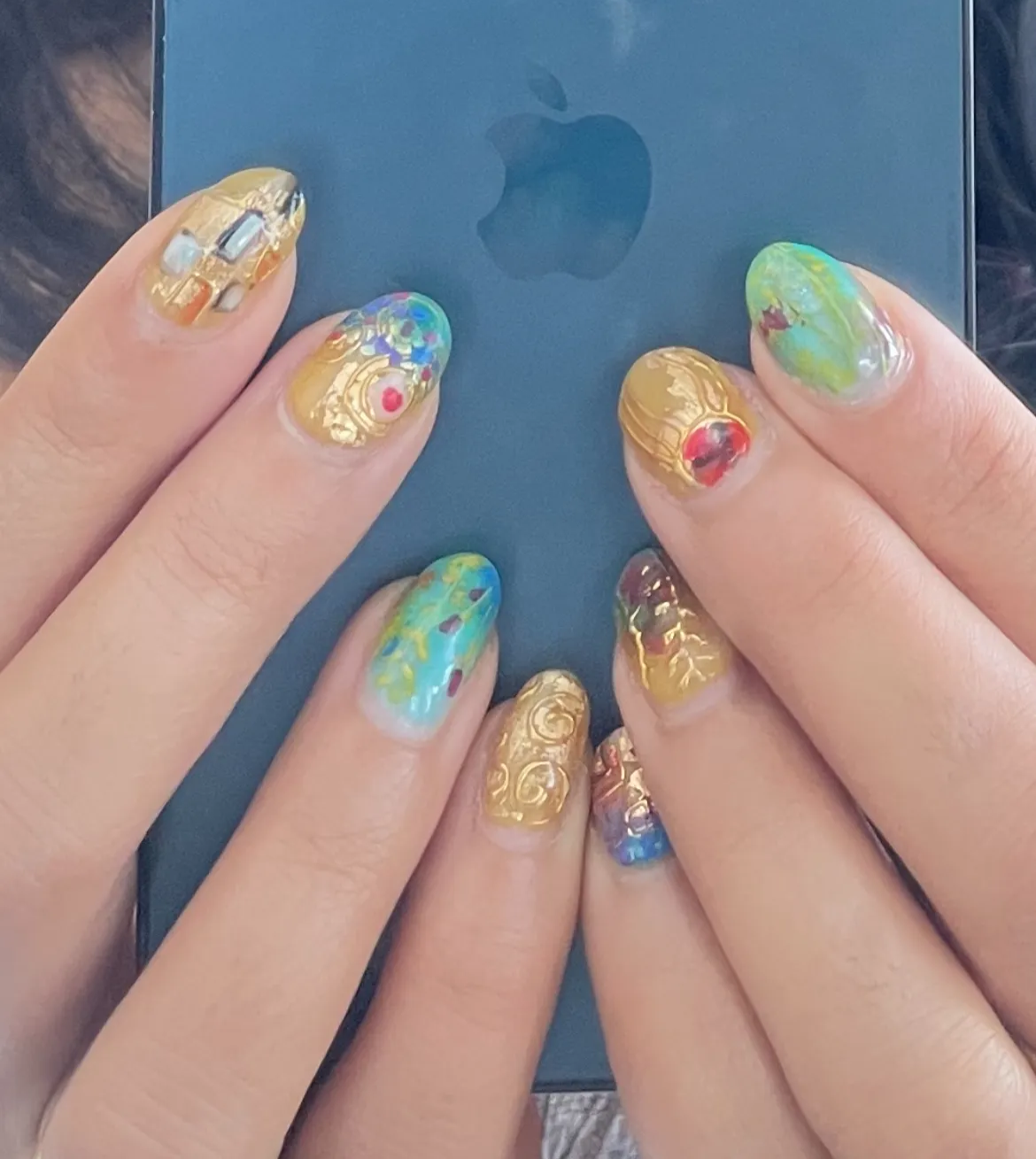
I love it so much it makes me dizzy sometimes. The colors, the patterns, the way the figures melt into each other—it’s like everything is soft and sharp all at once. There’s something about the gold and the reds and the subtle greens that just hits me every time. I don’t even think I can explain why, it just feels exactly right. I got my nails inspired by it. I wanted to carry that moment with me, a little piece of the painting on my fingers. Every time I look at them, it feels like having a tiny bit of that energy and warmth all the time. The colors are so perfect, the way they catch the light, the way they don’t exactly match anything else in my life but somehow fit perfectly. There’s something about sitting with a piece of art like this, just noticing it, letting it be overwhelming and delicate at the same time.

Mary Shelley

Mary Shelley

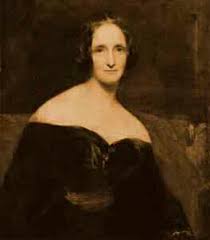
I’ve always been fascinated by Mary Shelley, not just because she wrote *Frankenstein*, but because her life feels almost as gothic and unsettling as the novel itself. The more I learn about her, the more it feels like she lived permanently on the edge between science, grief, love, and myth. !download (1).jpeg.jpeg) One detail I can’t stop thinking about is what happened after her husband, Percy Bysshe Shelley, died. In 1822, Percy drowned off the coast of Italy and, because of local laws, his body was cremated on the beach. During the cremation, something strange happened: his heart didn’t burn. While the rest of his body turned to ash, the heart remained. It was removed from the fire and eventually given to Mary. She kept it wrapped in silk, often alongside his poems, for the rest of her life. That fact alone feels like something pulled straight out of *Frankenstein*. A heart that refuses to disappear. A body part that resists death. It sounds supernatural, but there’s actually a scientific explanation that makes it even more haunting. Percy likely suffered from tuberculosis or a similar chronic illness, which can cause calcification, basically calcium building up in tissue. Calcified tissue is denser and more resistant to heat, so his heart may not have burned the way it normally would. Not a miracle, just a body altered by disease. !download.jpeg Still, I can’t help thinking about what it must have meant to Mary. Victorian mourning culture already leaned toward the physical, people kept locks of hair, wore mourning jewelry, and preserved relics of loved ones. But keeping her husband’s heart feels deeply intimate, like grief made tangible. It’s impossible not to see the connection between that and her obsession with bodies, life, and loss in *Frankenstein*. Then there’s the rumor everyone seems to know about her: that she lost her virginity on her mother Mary Wollstonecraft’s grave. I hear this repeated constantly, almost like it’s a confirmed historical fact. When I actually looked into it, though, the story falls apart. There’s no solid evidence that this happened. While Mary and Percy did visit Wollstonecraft’s grave early in their relationship, no diary entries or reliable sources say they had sex there. Most historians think the story is exaggerated or completely made up, a sensational detail that stuck because it fits the dark, rebellious image people want Mary Shelley to have. What fascinates me is how easily her life gets turned into legend. A preserved heart. A scandalous graveyard rumor. A teenage girl creating one of the most enduring horror stories of all time. But when you strip away the myth-making, what’s left is still incredible: a woman deeply engaged with science, shaped by constant loss, and brave enough to turn her grief and curiosity into something lasting. I think that’s why I keep coming back to Mary Shelley. Her life reminds me that stories don’t just come from imagination, they come from love, from death, and from the strange ways the body refuses to let go.

Four Eye Butterfly Fish

Four eye butterfly fish

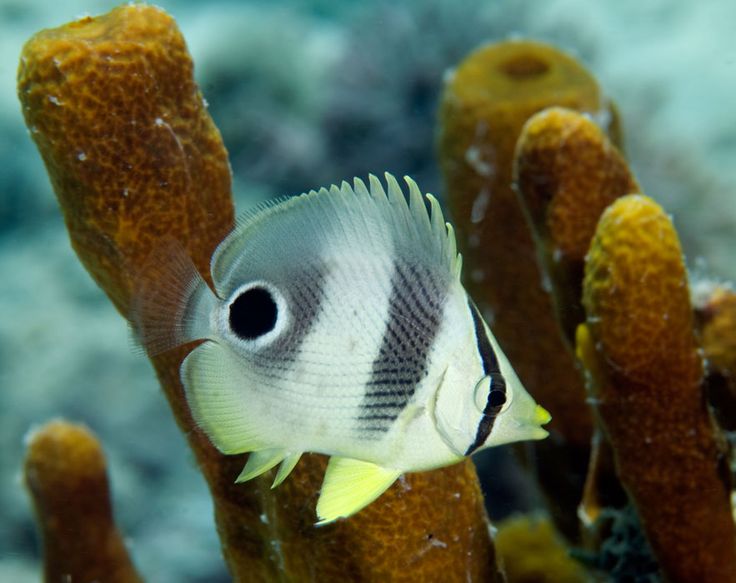
I recently learned about four-eye butterflyfish, and I was immediately intrigued. I went to multiple aquariums that advertised having them, but they didn't have any. :( BUT I saw a lot of them when I was snorkeling in Belize, they were even more glorious in person! I loved the juveniles the most!!! The *Chaetodon capistratus* is the scientific name for the four-eye butterflyfish. They got their common name because they have a "fake eye" near their tail that—combined with the stripe over their actual eye—confuses predators about which way they're heading, allowing them to escape. Some juveniles start out with six "fake eyes" and lose the extra spots over time. They are a monogamous species: they pair up early in life and mate for life. What really gets me is how delicate and purposeful every part of them seems. The patterns aren’t just for show, they’re survival strategies. The juveniles look like tiny, perfect works of art, each spot and stripe telling a story about defense, growth, and life in the reef. I love them so much

سمكة الفراشة ذات الأربع عيون

Four eye butterfly fish

قبل فترة عرفت عن سمكة الفراشة ذات الأربع عيون، ومن أول ما قرأت عنها وأنا مبهورة فيها. رحت أكثر من أكواريوم كانوا كاتبين إنهم يعرضونها، لكن كل مرة أطلع بدون ما أشوفها. :( لكن أخيرًا شفتها وأنا أسنركل في بليز، وكانت أجمل بكثير من أي صورة شفتها لها. سبحان الله. أكثر شيء شدني كان الصغار منها، ما قدرت أشيل عيني عنهم!!! الاسم العلمي لها هو Chaetodon capistratus. وسُميت بسمكة الفراشة ذات الأربع عيون لأن عندها بقعة تشبه العين قرب الذيل، ومع الخط الأسود اللي يغطي عينها الحقيقية، يصير من الصعب على المفترسات تعرف أي جهة رأسها وأي جهة ذيلها، فيعطيها فرصة للهروب. والأجمل من هذا كله أن بعض الصغار تبدأ حياتها وهي تحمل ست "عيون" وهمية، ثم تختفي بعض هذه البقع تدريجيًا مع نموها. وهي أيضًا من الأنواع الأحادية التزاوج؛ تختار شريكها في سن مبكرة، وغالبًا تبقى معه طوال حياتها. أكثر شيء يعجبني فيها هو أن كل تفصيلة فيها لها سبب. سبحان الله. النقوش والألوان مو موجودة فقط لأنها جميلة، بل لأنها جزء من طريقة بقائها على قيد الحياة. كل خط، وكل بقعة، وكأنها صُممت لغرض محدد. والصغار بالذات يبدون لي كأنهم قطع فنية صغيرة تتحرك بين الشعاب المرجانية. كل لون، وكل علامة، تحكي شيئًا عن الدفاع، والنمو، والحياة داخل الشعاب. كل ما أشوفهم أتذكر قد إيش الطبيعة مدهشة. سبحان الله. أحبهم مرة.

Perception of Women in Greek Mythology

I’ve been thinking about women in Greek mythology again. I don’t really know why it resurfaced this time, but it usually does. I think it started when I remembered *Pandora’s Jar*. I got it as a Secret Santa gift during my freshman year, from someone I’d only known for a couple of months. I remember holding it and feeling this quiet pause, like, *oh, you really know me*. I’ve always been into these stories, the way women are framed inside them, even before I had the language for why it bothered me. Pandora is always the starting point. She’s introduced as a punishment, not a person. The gods create her specifically to retaliate against men, give her curiosity, give her the jar, and then act shocked when she opens it. Everything bad that follows gets traced back to her choice, even though the situation was designed to end that way. What frustrates me is how cleanly blame gets assigned. Curiosity becomes the crime. The fact that she was set up never really matters. Cassandra’s story gets under my skin in a different way. She’s given the ability to see the truth, to know exactly what’s going to happen, and then she’s cursed so no one believes her. She’s right every time. Troy still burns. And she still gets remembered as hysterical, dramatic, tragic, but not credible. There’s something especially cruel about a woman being punished not for lying, but for telling the truth too clearly. Medusa is another one people think they understand. She’s remembered as a monster, as something terrifying that needs to be destroyed. But before that, she’s a girl who’s assaulted in Athena’s temple and then punished for it. Her body becomes the site of blame. The snakes, the gaze that turns men to stone, it all reads less like evil and more like defense. Still, the version that sticks is the one where she’s something inhuman. Persephone almost disappears inside her own story. She’s abducted, her mother grieves, seasons change, and Persephone herself barely gets a voice. Her life becomes symbolic before it’s allowed to be personal. Even Hera, a literal goddess, gets flattened into jealousy, as if that’s all there is to her power or anger. Once you start really looking at these stories, the pattern feels obvious. Women are warnings. Women are consequences. Women are explanations for why things go wrong. And over time, it all starts to feel normal, like that’s just how stories work. That’s why *Pandora’s Jar* stuck with me so much. It didn’t feel like someone telling me something new, it felt like someone naming something I’d already been quietly annoyed by for years. And the fact that a friend noticed that about me, especially that early on, mattered more than I expected. I don’t think I’m trying to rewrite mythology or rescue these women. I just want to sit with their stories long enough to notice where the blame lands, and how easily it sticks. I want to let myself be irritated by it. Maybe that’s the whole point.